



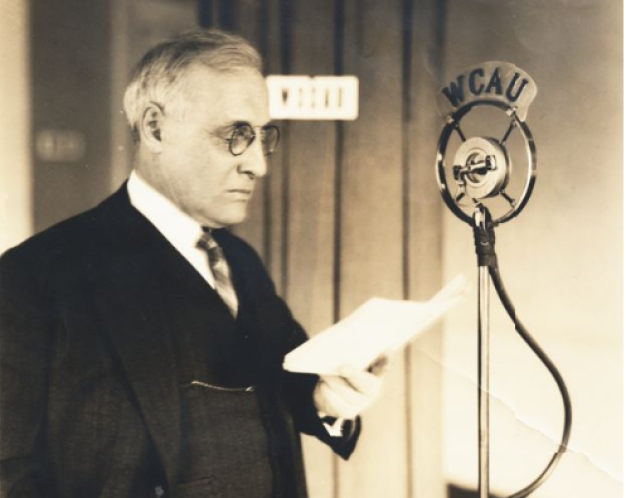
William E. Lingelbach standing in front of a radio microphone, ca. 1940s. APS Digital Library.
Decades before Instagram was created, an energetic septuagenarian launched several ambitious projects for the American Philosophical Society, which would impress the savviest of influencers. William Ezra Lingelbach, Jr. (1871-1962) served as Librarian of the Society from 1942 to 1958. Prior to his appointment, Lingelbach was a respected professor at the University of Pennsylvania, where he distinguished himself as an instructor, scholar, author, and administrator. Lingelbach was elected as a Member of the Society in 1916, and participated in a number of committees, including the Committee on Library, where he strongly supported the department's plan to increase its holdings and facilities. Taken together, these experiences qualified him for a role that was pivotal in expanding the Society’s campus, Library collections, and scholarly reach.
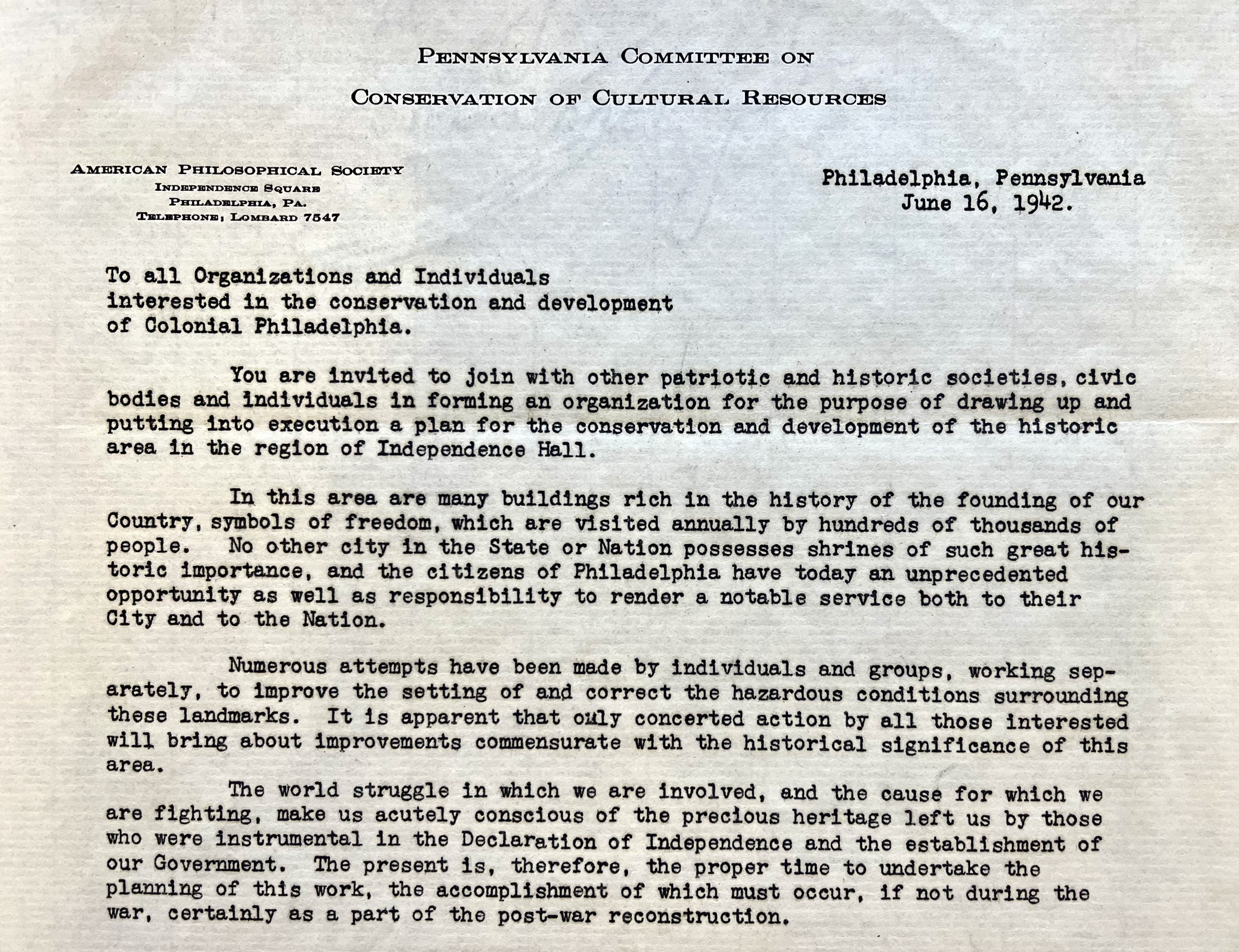
Lingelbach did valuable work even after his “retirement,” being hired by the American Philosophical Society in 1942 after departing the University of Pennsylvania, where he’d taught for over 40 years. Also at this time, he became chair of the Pennsylvania Committee on the Conservation of Cultural Resources (PCCR), and accommodations were made to locate the PCCR office at the Society. While he juggled library duties, Lingelbach and the PCCR staff provided guidance to projects across the state, not the least being Independence Hall and its neighborhood. Because of the close association between APS and the PCCR–as well as its parent organization on the federal level, the Committee on the Conservation of Cultural Resources–Lingelbach’s working files for the committees were processed as part of his APS records.
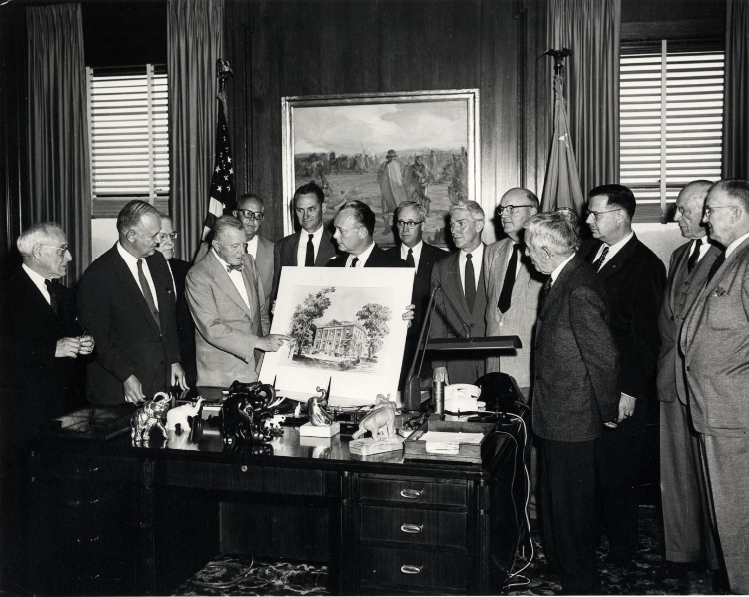
His involvement with these organizations led to his participation in the Independence Hall Association, a separate legal entity for organizations invested in rehabilitating the neighborhood. This was a rare alignment of forces, which reflected Lingelbach’s expansive vision for Philadelphia’s Independence Mall area. Fortunately, these aspirations converged in the creation of Independence National Park, where the Society wished to claim the southeast corner of Fifth and Chestnut, across the street from its historic building, Philosophical Hall. Lingelbach’s ultimate goal was to reconstruct the original Library Company building, with a modern interior to accommodate APS collections and staff.
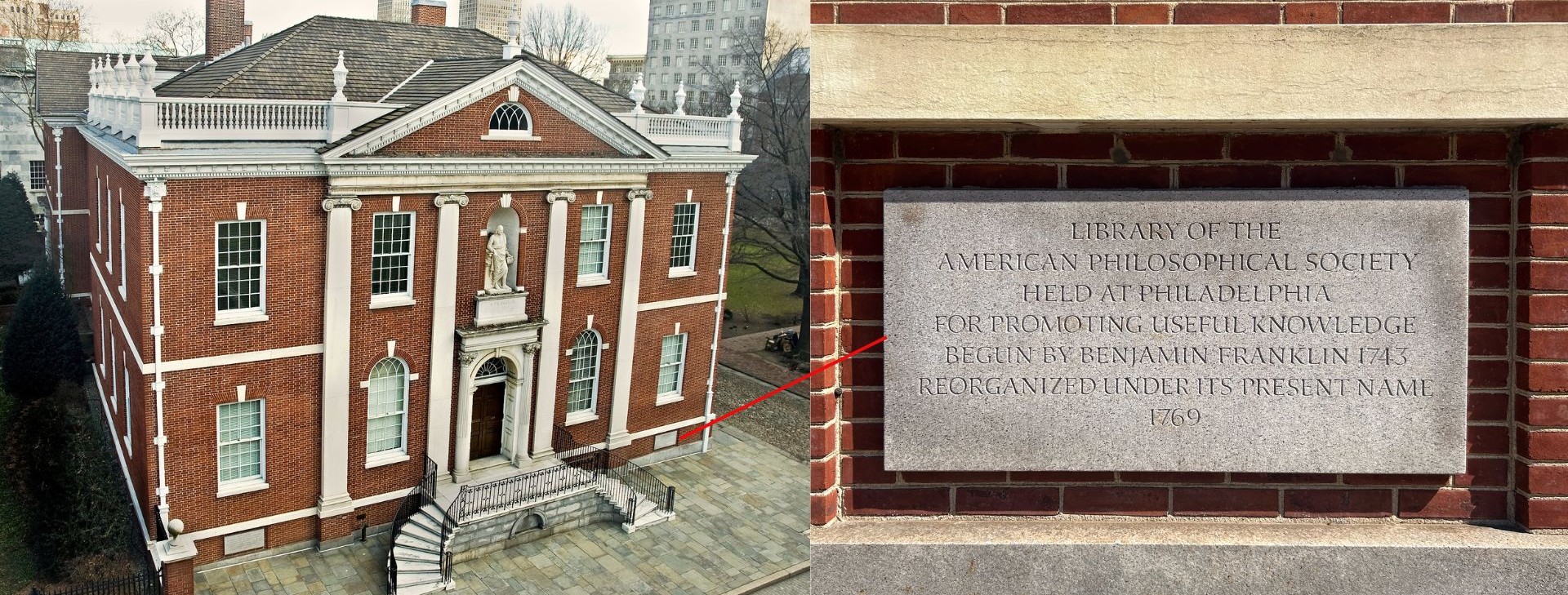
It was an ambitious undertaking, which ultimately required an act of the United States Congress and a lease agreement with the Independence National Park. Fortunately, Lingelbach worked with an impressive team, which included Judge Edwin O. Lewis, preservationist Charles Peterson, and architect Sydney Martin. High-powered discussions about Independence Hall, Mall, and Library Hall can be found in their official correspondence, meeting minutes, and memoranda. Follow-up conversations happened more informally, but still importantly, at Wistar Parties, APS Meetings, public presentations, and area clubs like the Union League. Lingelbach skillfully navigated these overlapping spheres of influence, which included government officials, public history experts, civic leaders, and Philadelphia society. He was a congenial, yet determined deal maker and made use of his extensive network to build consensus and support for Library Hall, which opened in 1959.
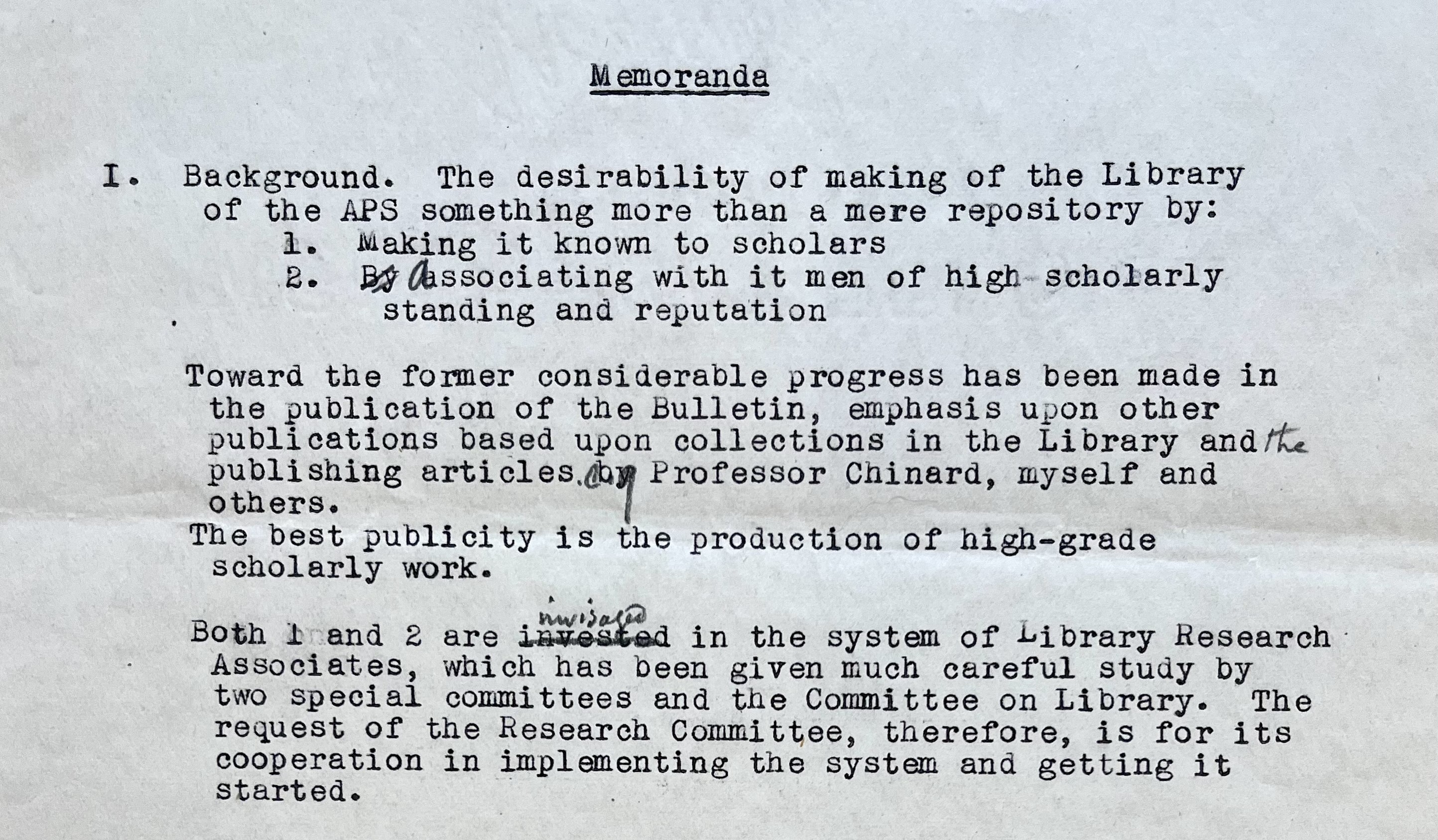
As Library director, Lingelbach believed that supporting historical research would be a catalyst for increasing scholarly engagement and notoriety for the Society. During his initial appointment, he supervised the Society’s publication program, and then created the Library Bulletin as part of APS Proceedings to showcase the Society’s history, outstanding collections, and efforts to construct Library Hall. This pre-internet platform also highlighted the work of the Library Research Associates program, which Lingelbach helped to create. These projects were of mutual benefit, with the Bulletin being used to promote the Library to various constituencies, while the Associates' program provided research opportunities for scholars in the lean years after the Great Depression and World War II. Further, the Associates advised Lingelbach on collection matters, especially acquisitions.
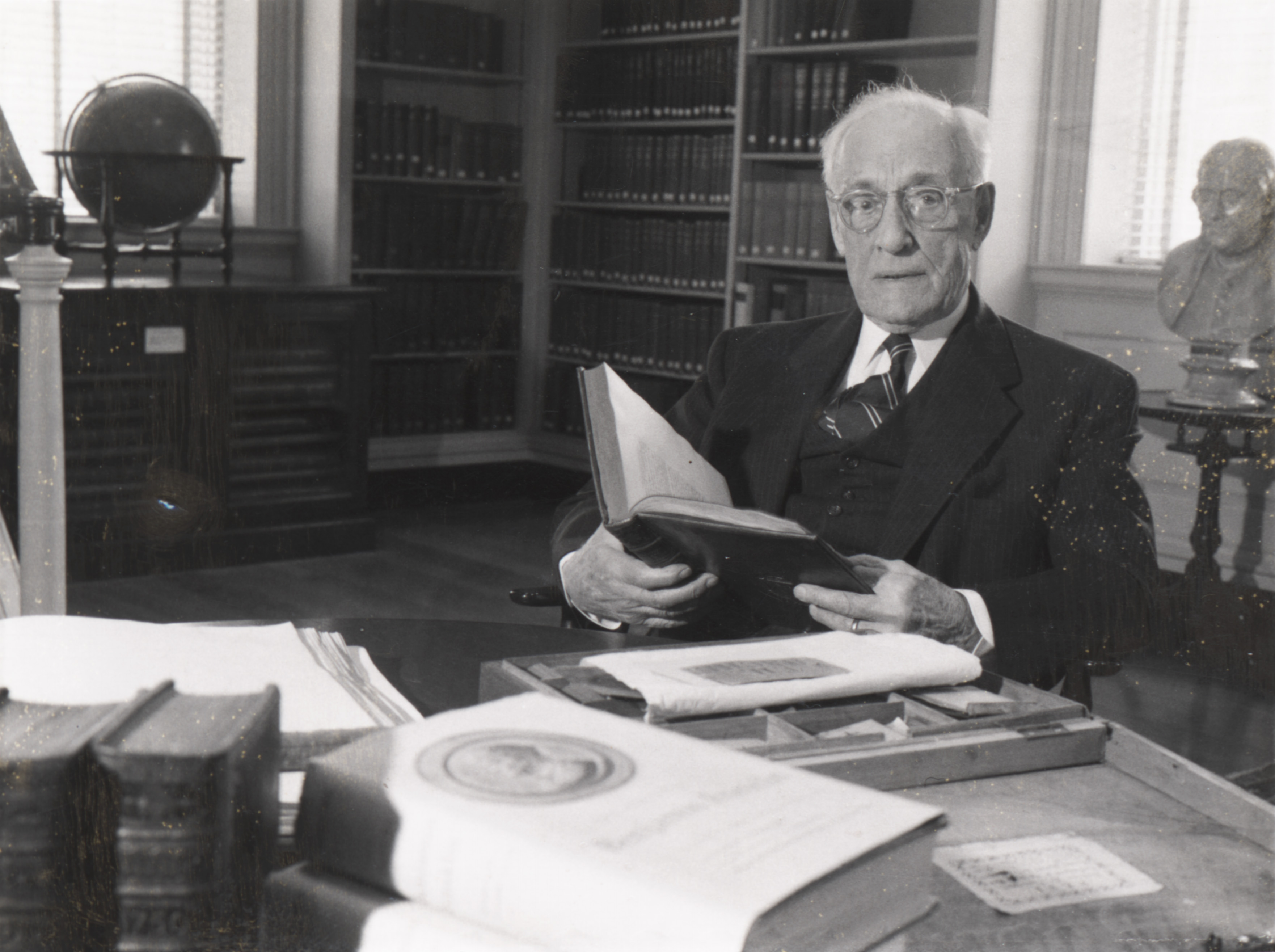
Finally, Lingelbach was thoroughly engaged with building the Library's collections through donation and acquisition. The stars aligned again in the 1950s with the Benjamin Franklin Papers project, a publishing collaboration with Yale University, and the 250th celebration of Franklin’s birth in 1956. Given these high-profile initiatives, Lingelbach pursued additional "Frankliniana" materials to compliment the Library's already impressive holdings. In turn, the new acquisitions were highlighted in the Library Bulletin, added to the Franklin Papers project, and displayed in light of the 250th anniversary celebration. Additional guidance came from the Committee on Library; in particular, Richard Shryock provided sound advice on collection development regarding Native American and history of science holdings. Shryock’s involvement with the Library provided a natural segue to him being hired Librarian in 1959, after Lingelbach successfully completed his second career, and finally settled into a well-deserved retirement.
I recently processed the William E. Lingelbach’s institutional records, which informed this blog post. The six-month project helped me gain insight into Lingelbach’s ideas for the Society and his many accomplishments. The finding aid for the William Ezra lingelbach records may be found here. In the course of processing Lingelbach’s office files, I found material of a more personal nature, which I added to the William Ezra Lingelbach papers, which were generously donated to the Society by his family. APS records were also discovered among his “home files,” so both collections received attention and are now better aligned between his professional and personal life. The finding aid for the William Ezra Lingelbach papers may be viewed here.
Lastly, some of the William Ezra Lingelbach Papers have been digitized and are available here. A digital gallery of the history of Library Hall may be accessed here.