

From “Primitive” to Profound: Indigenous Art and Language in the Early Twentieth Century



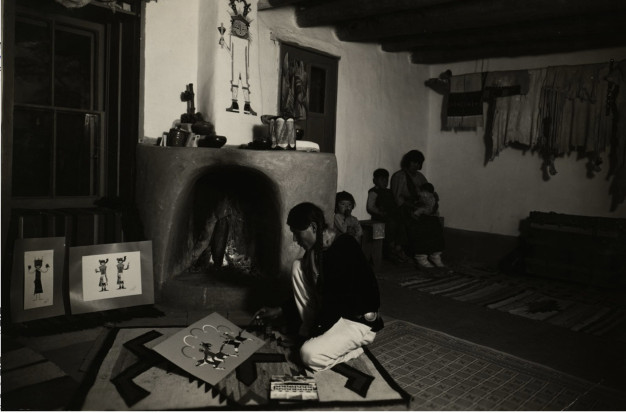
Oqwa Pi painting at home in San Ildefonso Pueblo, c. 1930, (John Sloan Manuscript Collection, Helen Farr Sloan Library and Archives, Delaware Art Museum, DAM_JS_ORG_42_01_01).
What is art? Who gets to decide? What is primitive? What is profound? These were some of the questions that arose as I researched the 1931 Exhibition of Indian Tribal Art, while working as a NASI Undergrad intern at the American Philosophical Society (APS).
My background in art and history jump-started my interest in this research. As a rising senior at Southeastern Oklahoma State University pursuing degrees in both graphic design and history, as well as an Indigenous artist myself, this subject is very personal to me. The changing language around Indigenous art, from its characterization as being primitive to the status of profound, is the primary focus of my study.
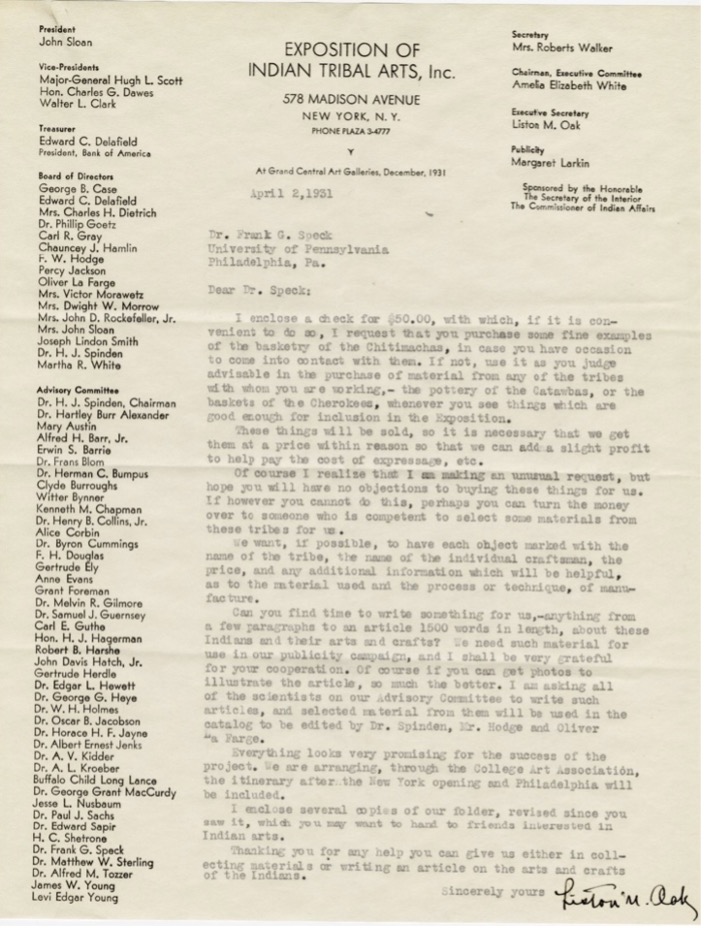
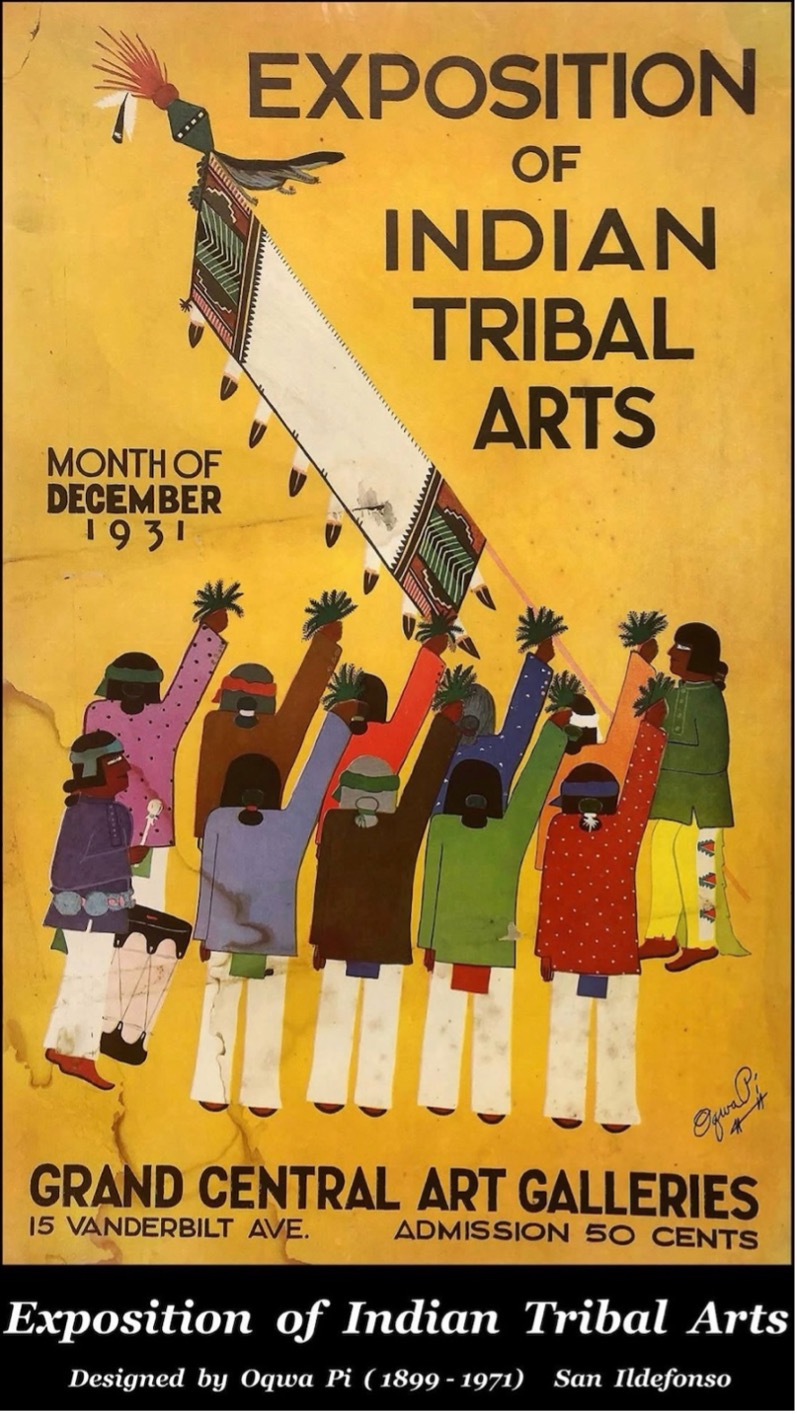
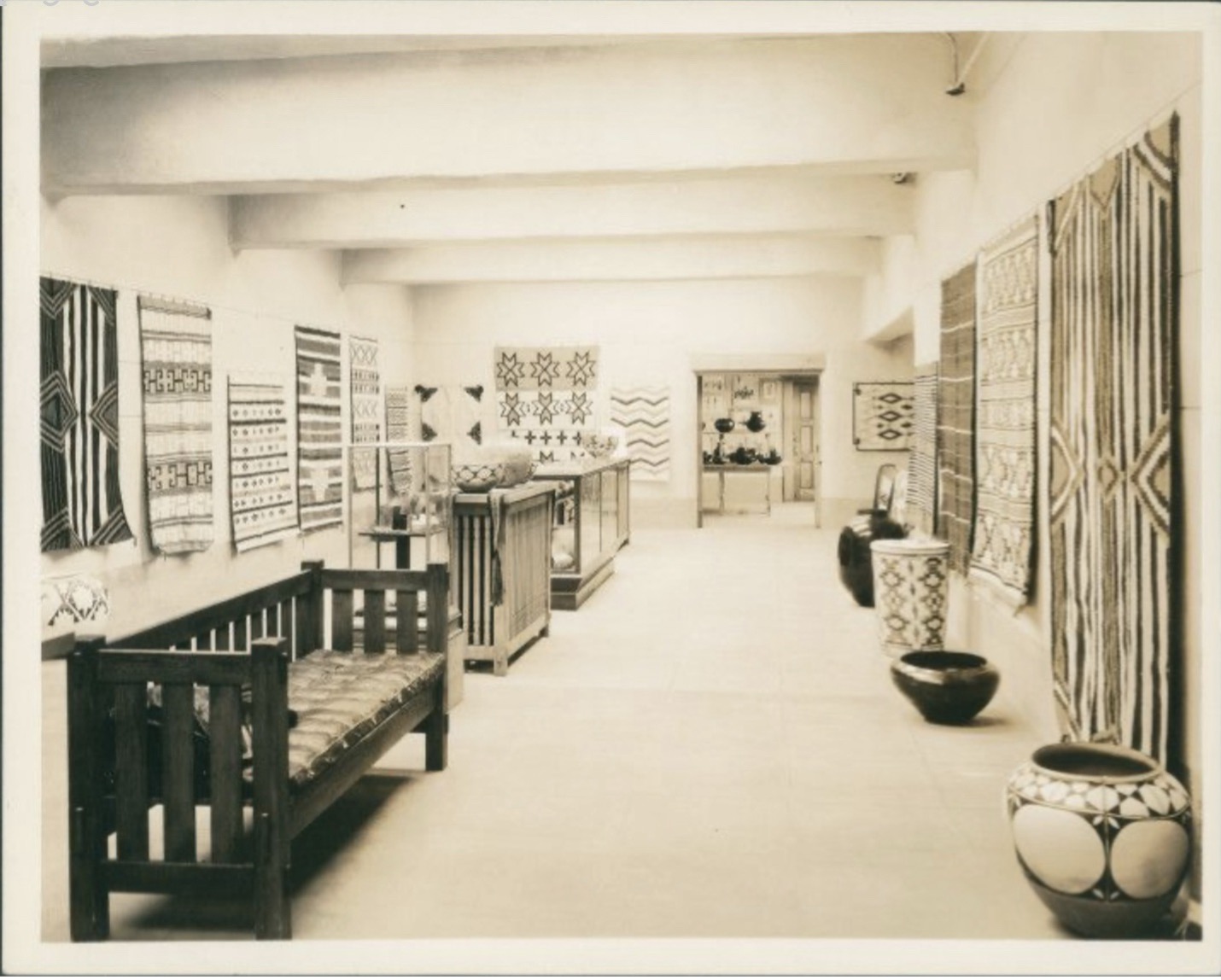
During my first weeks at the APS, I discovered a correspondence concerning the exhibition in the Frank Speck papers. (Image II. Correspondence between Frank Speck and Oak Liston). I was intrigued and was soon drowning in a spiderweb of documentation that built a picture of what this event was and how it functioned. The Delaware Art Museum houses the documents of John Sloan. Sloan served as the president of the exhibition and kept meticulous records of correspondences, receipts, and smaller pieces of artwork related to the event. I visited the collection and was able to get hands-on experience with it. Through this resource I learned that the 1931 Exhibition of Indian Tribal Art traveled to 14 cities across the United States between 1931–33 and displayed over 600 pieces of Indigenous art materials, from baskets to watercolors. (Image I. Original Exhibition Poster by Artist Oqwa Pi). This exhibition fundamentally changed what language was used around “primitive” art and how it was viewed in the world of fine arts. Previous exhibitions of Indigenous art often displayed them as curios or oddities un-deserving of the same praise as Western “fine” art. As noted by the curator of Ethnology at the Brooklyn Museum Herbert Spinden, “It is the purpose of the Exposition of Indian Tribal Arts, recently organized, to obtain for the Indian artists and craftsmen the recognition that is their due” (Image III. Exhibition Showcase).
As I continued my research I was surprised at my own ignorance as to the existence of this exhibition. Influential figures associated with this show included big names like Charles G. Dawes, Vice President under Calvin Coolidge, the Rockefeller family and Mrs. Herbert Hoover. I’m a proud member of the Chickasaw Nation, born and raised in Oklahoma, and attend school in Durant, Oklahoma, the capital of the Choctaw Nation. Furthermore, I’m a student of art and history. Of all the people who should be aware of an event like this with such influential figure, it should be me.
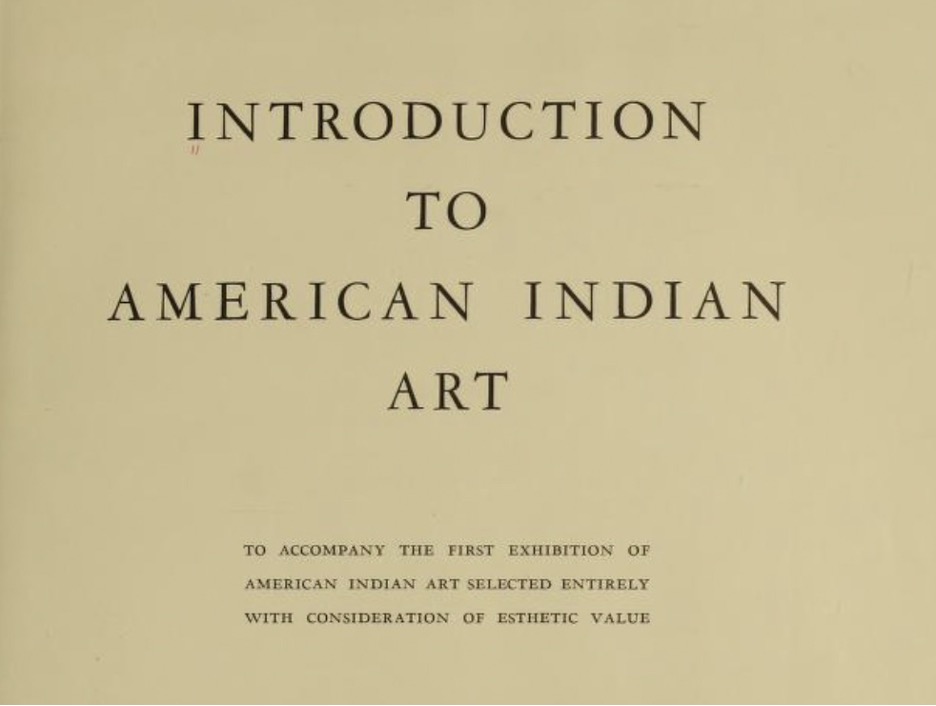
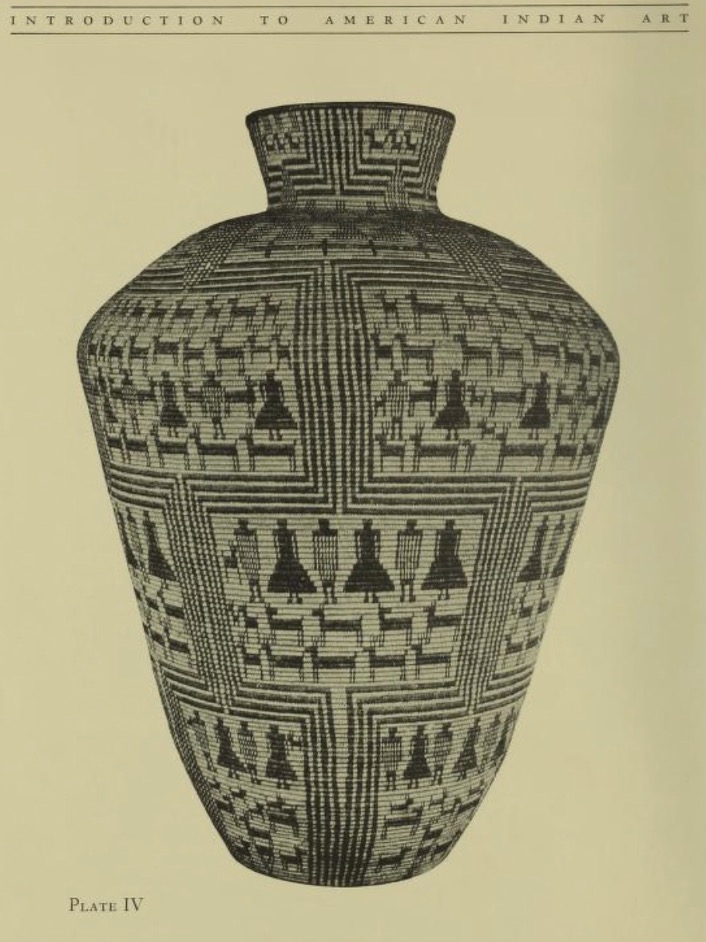
Of course, a lot of questions came to mind through my research, but one in particular rose to the surface. Throughout the numerous correspondences, bank statements, and object catalogues the organizers referred to the exhibition as the first showing of Indigenous art for “purely aesthetic” value. (Image IV. Introduction to American Indian Art catalogue). I found this language intriguing yet inauthentic. From an Indigenous perspective art is rarely purely aesthetic, as it inherently carries meaning and purpose. I believe there are several aspects displayed in the exhibit itself that reflect this. Often, Indigenous art is both material and utilitarian. Take the intricate patterns of Apachee basket weaving as an example. (Image V. Apachee Basket displayed in the exhibition.) The craftsmanship and intricacy within these designs can surely be considered fine art, yet they still served as functional everyday objects within the community. Furthermore, both pattern and color carry meaning into visual representation. For example, in Chickasaw culture the colors of red and white symbolized two important facets of tribal life. White stood for peace and order while red stood for danger, blood, and warfare. A balance of both these attributes is needed to live a good and balanced life. By representing Indigenous art as purely aesthetic it can inadvertently flatten its purpose and meaning.
In order to continue my research into this and other questions that arose during my time at the APS, as well as providing an easily accessible platform for people to learn about this, I have built a website which contains documentation and pictures from archives and museums around the country containing information about this exhibition. This website provides a platform to share my ongoing research in an easily accessible manner.
Overall, this exhibition, and the opportunity I was given to research it have been deeply influential to me. It is the first large scale recognition of Native American art as possessing high value. As artists, especially Indigenous artists, our work is often undervalued. The term “starving artist” is what comes to mind anytime the conversation of a career in the arts arises. However, this exhibition serves as an ongoing reminder that Indigenous art matters, not just in Indigenous spaces but within society as a whole. This is what inspires me to continue my work on this topic and to share it with others.
Yakoke. (Thank you.)