

This event is free and open to the public. Please register to attend this event in person or virtually. Livestream this event via the Society's YouTube page.
"Science and Society in the Age of Revolutions," September 25-26, 2025
Science took place both thanks to and in spite of the age of revolutions. In Philadelphia, the era saw the creation of the American colonies’ first hospital and school of medicine. Collaboration between astronomers, instrument-makers, and surveyors benefited from increased association-building activity that marked the period. Engineers and electrical experimenters endeavored to solve problems like access to clean drinking water and energy storage. Yet, the optimism and problem-solving impulses of this age of scientific revolutions also exploited inequalities and refracted power dynamics, making science a useful lens for exploring the impact of the age of revolutions on science and society.
As the upcoming 250th anniversary of the Declaration of Independence drives increased interest in the founding of the United States, this conference, co-hosted by the American Philosophical Society’s Library & Museum, the Science History Institute, and the College of Physicians aims to widen the scope of such conversations. Inspired in part by the APS’s 2025 exhibition, Philadelphia: The Revolutionary City and “America’s Scientific Revolutionaries,” a multiyear project funded by the Lounsbery Foundation this conference will feature research that illuminates the intersections of science and society in the Atlantic World between 1764 and 1804.
Registration
Program
Science and Society in the Age of Revolutions
September 25-26, 2025
Hosted by the American Philosophical Society, the Science History Institute, and the College of Physicians
Note: times are subject to change All times are listed in ET
Thursday, September 25, 2025
Benjamin Franklin Hall–427 Chestnut Street
12:15pm Registration Opens
12:45-1:00pm Welcome and Introductions
1:00-2:30pm Panel One: Science on the Front Lines
- Vaughn Scribner (University of Central Arkansas) "Devastation Nation: Emotional Suffering among Soldiers in the American Revolutionary War”
- Adam Bridgen (University of Durham, UK) "Naval Medicine and Abolitionism: The Contexts and International Influence of Thomas Trotter’s Observations on the Scurvy (1786)”
- Steve Walton (Michigan Technological University) "Founding the Cannon of a Nation: State sponsorship and heavy military industries in the Revolution”
- Moderator: Brenna Holland (American Philosophical Society)
2:30-3:00pm Break
3:00-5:00pm Panel Two: Networks and Scientific Diplomacy
- Ellen Cohn (The Papers of Benjamin Franklin) "The Beginnings of American Botany"
- Michael Guenther (Grinnell College) "Tale of Two Jacobins: Scientific Networks and Revolutionary Politics in the 1790s”
- Anna Toledano (Los Altos History Museum) “Shipping and Statecraft: Valentín de Foronda, Guinea Grass, and the Decline of Spanish Colonial Power in the Americas”
- Jessica Lepler (University of New Hampshire) “Dreams of Canals and Climate Change: Citizen Science at the end of the Age of Revolutions”
- Moderator: Emily Pawley (Dickinson College)
5:00-6:00pm Reception
6:00-7:00pm Keynote: Science in American Life: The Public Role of History of Science at the U.S. 250th
- Adrianna Link, Curator of History of Science, American Philosophical Society
- Erin McLeary, Senior Director of Collections and Research, The College of Physicians of Philadelphia
- Jesse Smith, Director of Curatorial Affairs and Digital Content, Science History Institute
- Judith Kaplan, Public Historian of Science, Science History Institute
- Moderator: Sara Ray, Senior Director of Interpretation & Engagement, The College of Physicians of Philadelphia
Friday, September 26, 2025
Benjamin Franklin Hall–427 Chestnut Street
8:30-9:00am Light Breakfast
9:00-10:30am Panel Three: Everyday Science
- Mary Ashburn Miller (Reed College) “Restoring the ‘Apparently Dead’ to Life: Anti-Drowning Measures and Public Health in the Late Eighteenth Century”
- Clare Tonks (Yale Center for British Art) “The Teeth Trade: Dentures and Dental Disease in the Age of Revolutions”
- Holly Gruntner (George Washington's Mount Vernon) “Thy Industrious Neighbor:” Kitchen Gardens, Horticultural Knowledge, and Local Circulation Networks'
- Charlotte Abney Salomon (Science History Institute)
10:30-11:00am Break
11:00-12:30pm Panel Four: Explorers, Exploration, and Collecting
- Cameron Strang (University of Nevada, Reno) “Pursuits of Knowledge and Happiness: Revolutionary Black Explorers”
- Diego Pirillo (University of California, Berkeley) “Museums, Antiquarians and Indigenous Dispossession”
- Laura Clerx (Boston College) “The Science of Settlement: Western Land Companies and Eastern Scientific Societies in the early national United States”
- Adrianna Link (American Philosophical Society)
Program moves to Science History Institute–315 Chestnut Street
12:30-2:00pm Lunch and Exhibition Open House
2:00-4:00pm Panel Five: Marvels of Science and Sight
- Sean Silver (Rutgers University) "Edward Bancroft’s Drab Revolution”
- Caroline Douglas (Royal College of Art) “Edinburgh to Philadelphia: Elizabeth Fulhame and the Chemical Networks of Early Photography”
- Al Coppola (John Jay College of Criminal Justice) Science, Farce, and Fictionality: The Wonders of Katterfelto”
- Mary Richie McGuire (Virginia Polytechnic Institute) “View down James river from Mr. Nicholson’s House above Rocketts: Benjamin Henry Latrobe’s Observations of the Chesapeake Rivers, 1796-1801”
- Samantha Wesner (Science History Institute)
4:00-4:30pm Wrap up Discussion
Call for Papers: Deadline Passed
Speakers Photos and Bios
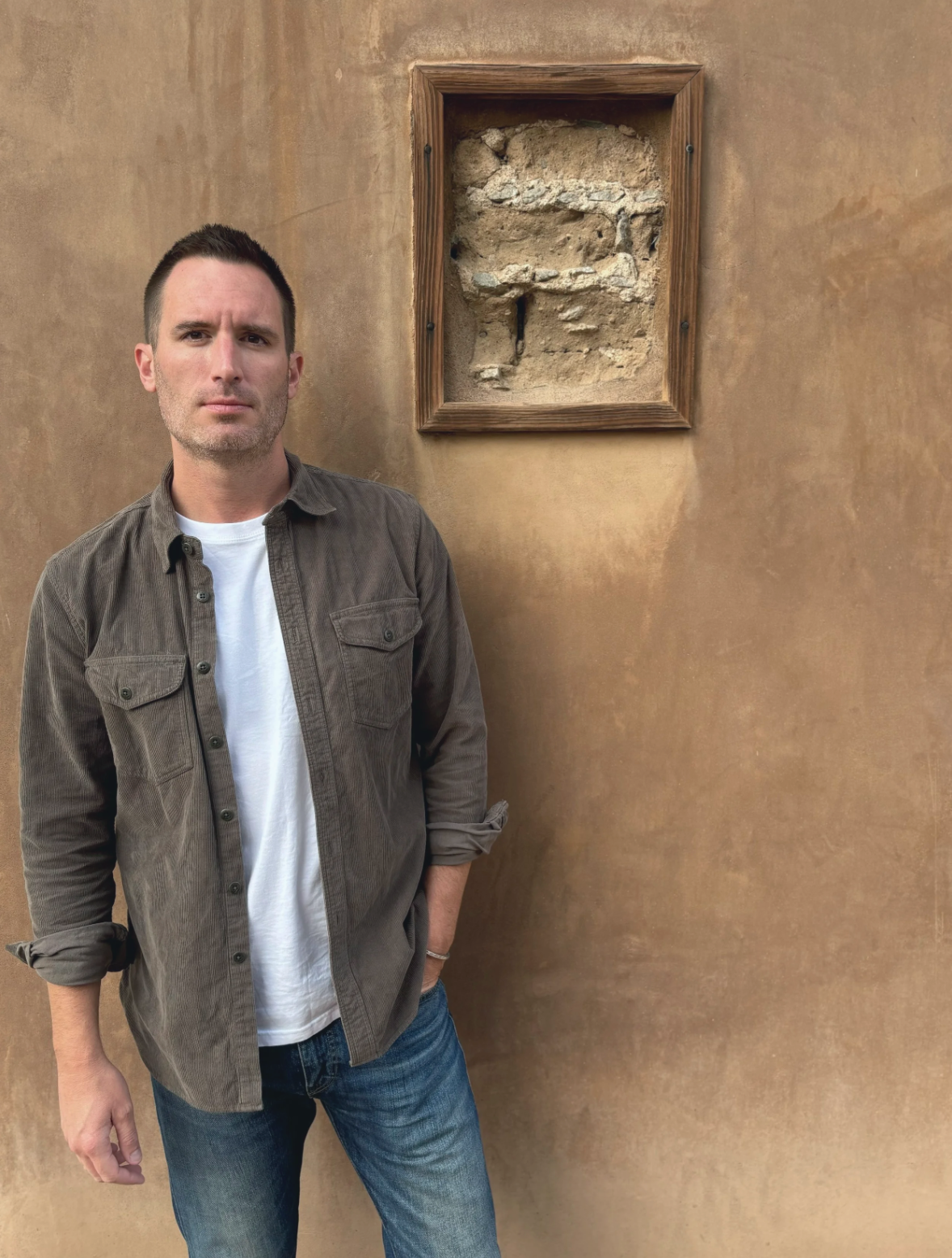
Vaughn Scribner is an Associate Professor of History at the University of Central Arkansas. He is the author of three books—Under Alien Skies: Environment, Suffering, and the Defeat of the British Military in Revolutionary America (UNC Press, 2024), Merpeople: A Human History (Reaktion Books, 2020), and Inn Civility: Urban Taverns and Early American Civil Society (NYU Press, 2019)—in addition to numerous articles, book chapters, and other publications. He is currently writing a biography of America’s original celebrity “influencer,” Lord Timothy Dexter of Newburyport, Massachusetts (1747-1806).
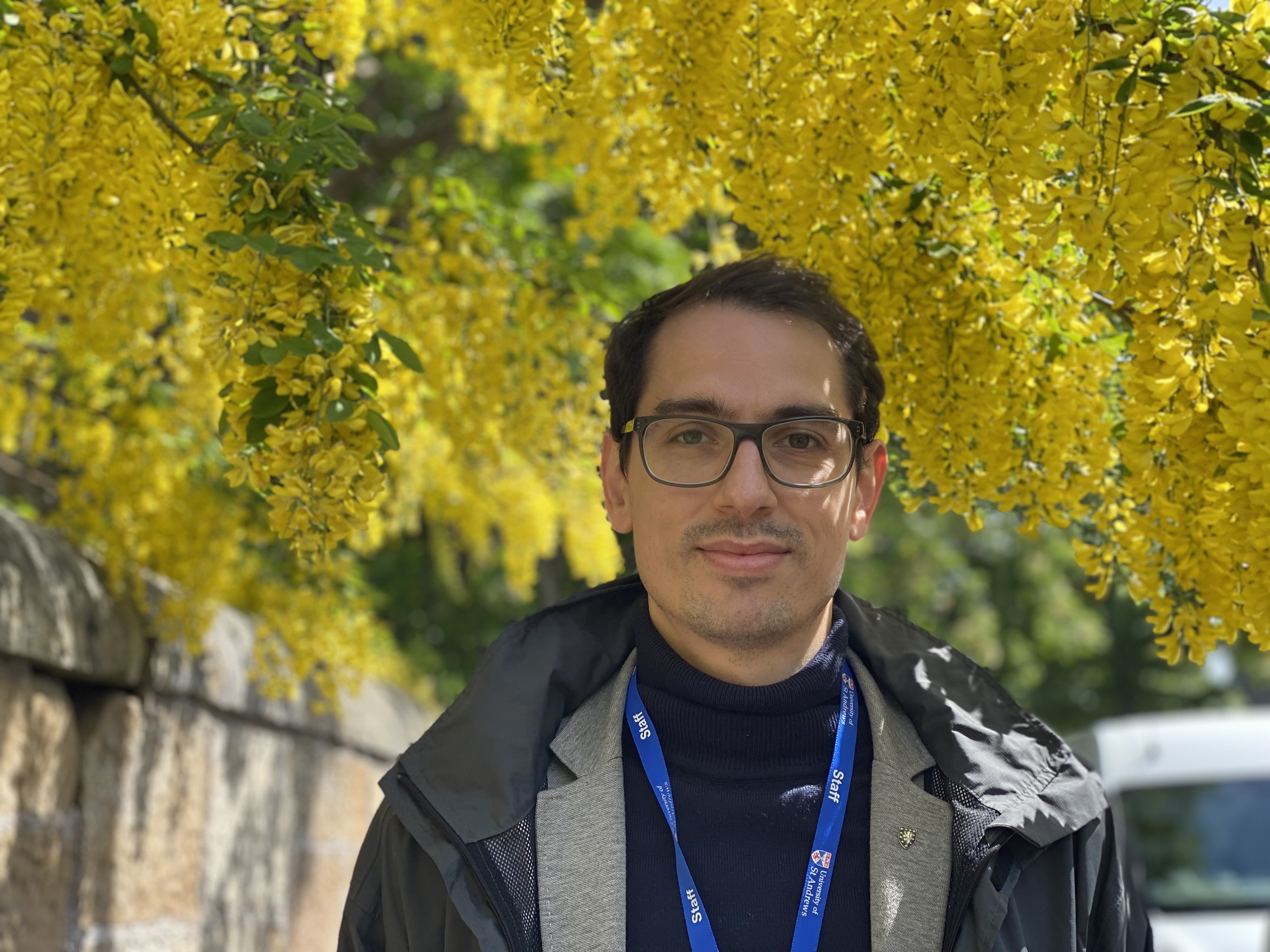 Adam Bridgen is a Leverhulme Trust Early Career Fellow in the Department of English Studies at Durham University. His research considers the social and political dimensions of long eighteenth-century literature, focusing specifically on British labouring-class poetry and its engagement with the subjects of transatlantic slavery, resource extraction, and humankind’s relationship with non-human animals. He recently co-edited British Working-Class and Radical Writing Since 1700 (University of London Press, 2025), published open-access on the 25th of September. His paper today draws on his essay for this collection, and will also feature in his forthcoming monograph, entitled Antislavery before Abolition: Labouring-Class Writers and the Poetics of Empire, 1570–1788.
 Steven A. Walton is an Associate Professor of History at Michigan Tech University in the Dept. of Social Sciences and the graduate program in Industrial Heritage and Archaeology. His academic work studies the origins and evolution of American industrial capacity from the colonial period to the early 20th century, particularly military-industrial production. He has worked on diverse periods and specific topics within this broad topic: on gunnery and instruments in the early modern era; on American torpedos and the civilian scientists who helped the navy create them as well as on patent disputes over breechloading artillery at the end of the 19th century; and currently even on a project on the development of numerical control machining for helicopter rotor blades after WWII.
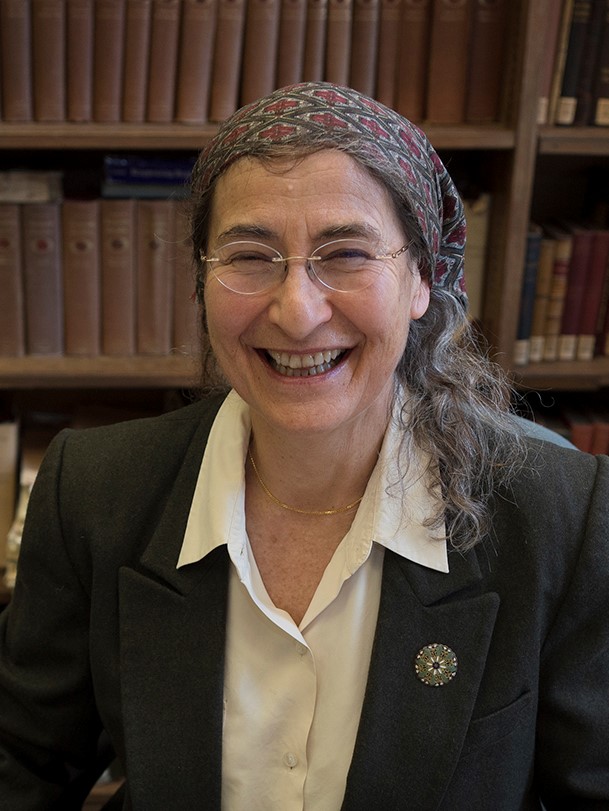 Ellen R. Cohn is Editor-in-Chief of The Papers of Benjamin Franklin and Senior Research Scholar in the Department of History, Yale University. She joined the Franklin Papers in 1979, when the team was commencing work on Franklin’s diplomatic mission to France (1777-1785), and has directed the project since 1999. She has written and lectured widely on various aspects of Franklin’s views and activities including science, diplomacy, his literary essays, his musical life, and the private press and typefoundry he established in France during the American Revolution.
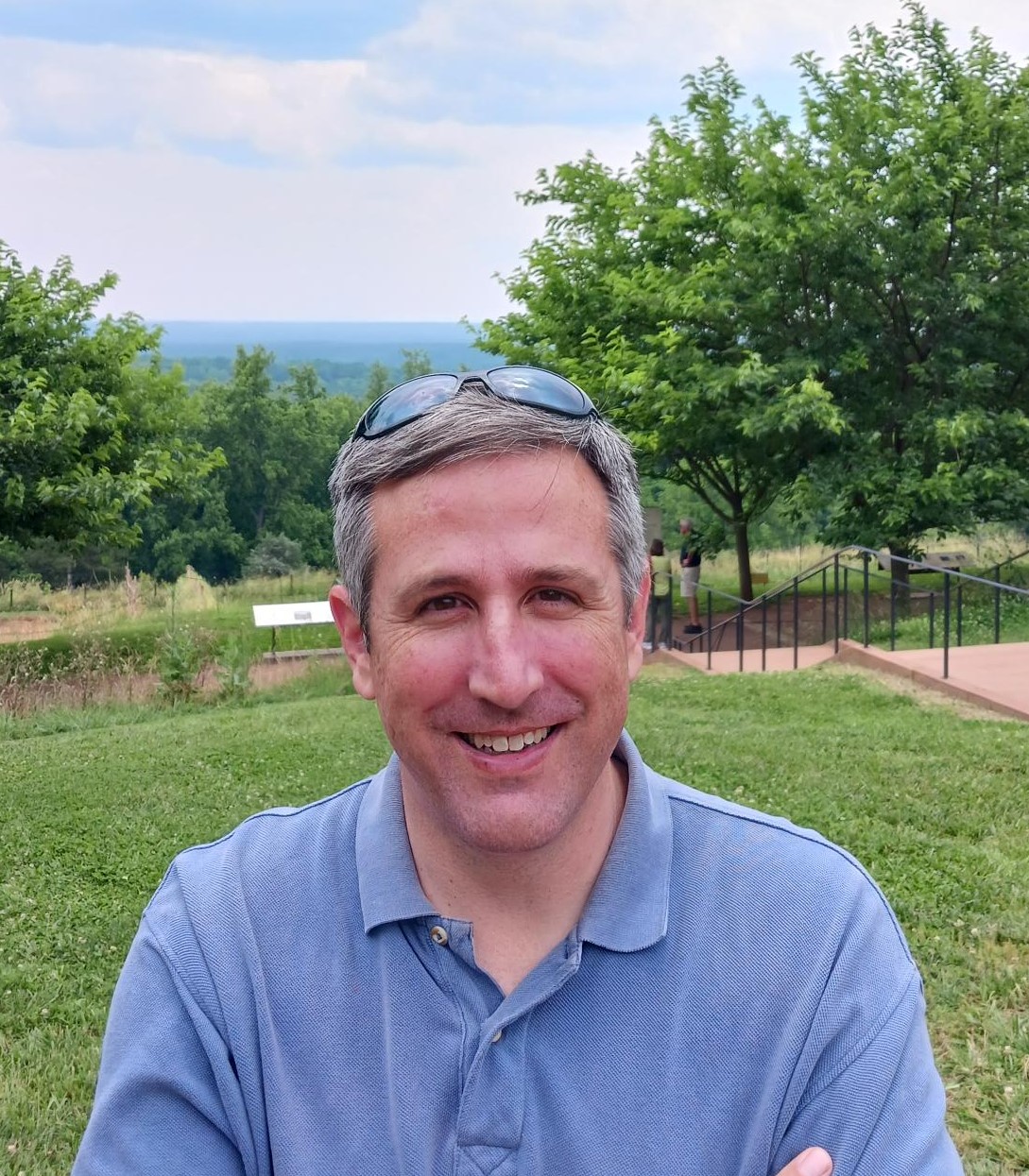 Mike Guenther is an Associate Professor of History at Grinnell College, where he teaches courses on the history of science, technology and the environment. He did his undergraduate studies at the University of Virgina, worked for a time at Monticello, and then completed a Masters and Ph. D in History at Northwestern University. His dissertation focused on the politics of science in the British empire in the 18th century, and he has spent the intervening years developing those threads into a larger book project entitled, Science and Civic Culture: The Politics of Knowledge in the Age of Improvement. The research for that project has involved archival work throughout Britain, Scotland, and America, including a productive period at the American Philosophical Society, in 2009, made possible by a François André Michaux Fellowship. To date, Mike has published aspects of his research in a series of articles that explore topics ranging from the politics of maple sugar to arctic exploration to intelligence networks in Revolutionary London. Mike has also spent the last 10 years building a new interdisciplinary program at Grinnell—Science, Medicine & Society—that he currently directs.
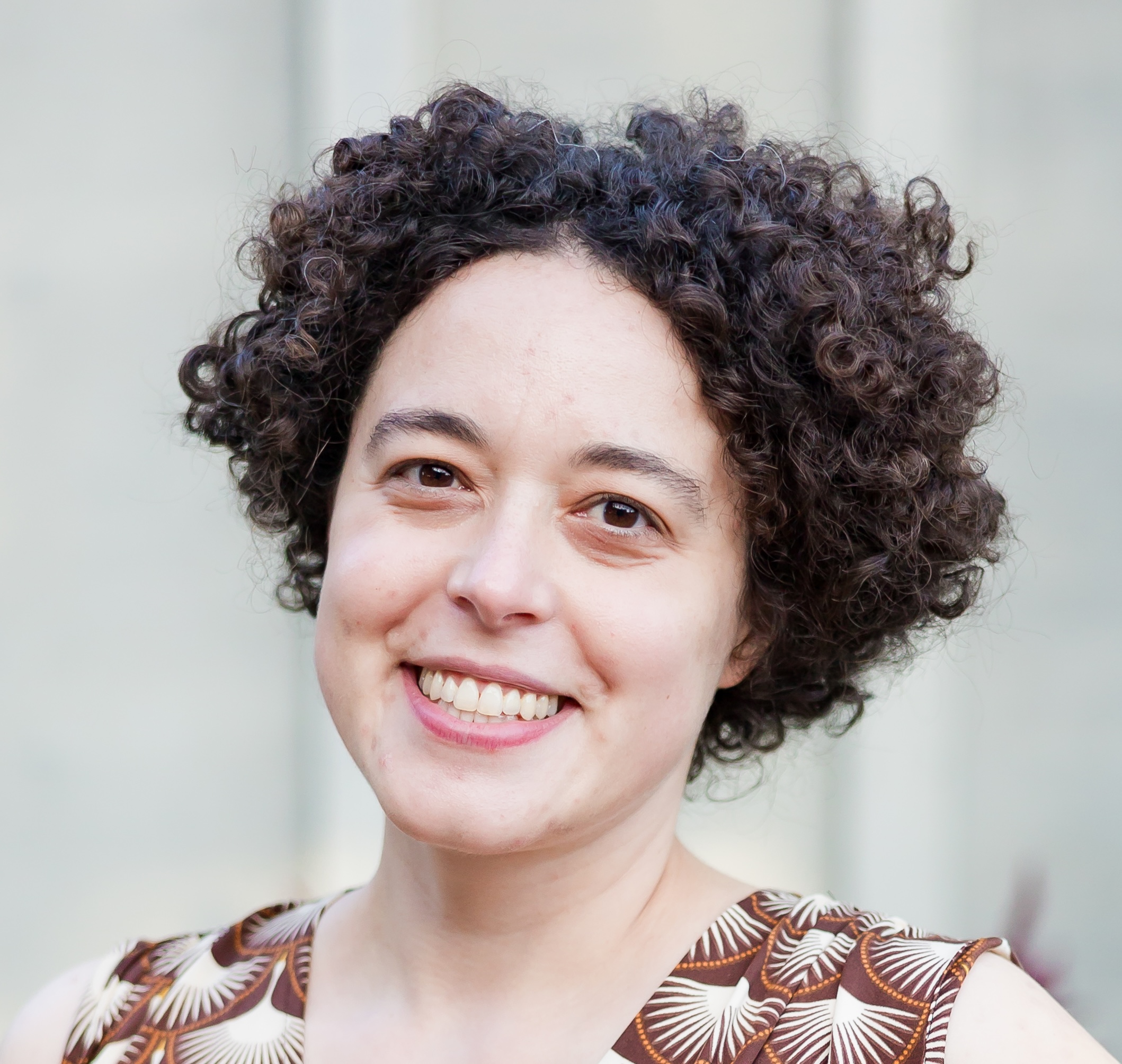 Anna Toledano works in and on museums. Her academic research focuses on imperial natural history collecting in eighteenth-century Spain and Spanish America. Her most recent publication, Natural Things in Early Modern Worlds, is an illustrated edited volume on early modern nature studies. Anna is the Executive Director of the Los Altos History Museum in Los Altos, California and serves as an Associate Editor of the Journal of the History of Collections. She holds a PhD in History of Science from Stanford University and an MA in Museum Anthropology from Columbia University.
 Jessica M. Lepler is Associate Professor of History at the University of New Hampshire. Her first book The Many Panics of 1837: People, Politics, and the Creation of a Transatlantic Financial Crisis (Cambridge, 2013) won the James H. Broussard Best First Book Prize from the Society for Historians of the Early American Republic (SHEAR). With Emily Conroy-Krutz, she co-founded SHEAR’s Second-Book Writers’ Workshop. In 2023-2024, she served as Central American Visiting Scholar at Harvard University’s David Rockefeller Center for Latin American Studies. Her second book Canal Dreamers: The Epic Quest to Connect the Atlantic and Pacific in the Age of Revolutions will be published by UNC Press on August 26, 2025
Mary Ashburn Miller is a Professor of History and Humanities at Reed College in Portland, Oregon. She is a historian of modern Europe with a specialization in eighteenth and nineteenth-century France. Mary is the author of A Natural History of Revolution: Violence and Nature in the French Revolutionary Imagination (2011) and of several articles on the history of the emigration during the French Revolution, including ““The Impossible Emigrant: Emigration in the Annexed Territories of Revolutionary France,” in French Emigrants in Revolutionised Europe: Connected Histories and Memories, and “A Fiction of the French Nation: The Émigré Novel, Nostalgia, and National Identity, 1797-1815.” Her current research is on anti-drowning campaigns and public health in eighteenth-century Paris. Her research has been supported by the American Council of Learned Societies, the Fulbright program, and the Harry Frank Guggenheim Foundation. Mary is a passionate teacher who has served as the Director of the Center for Teaching and Learning at Reed College and who has won recognition for her teaching from the Graves Foundation. A native of Lexington, Kentucky, Mary received her B.A. from the University of Virginia, and her Ph.D. from Johns Hopkins University.
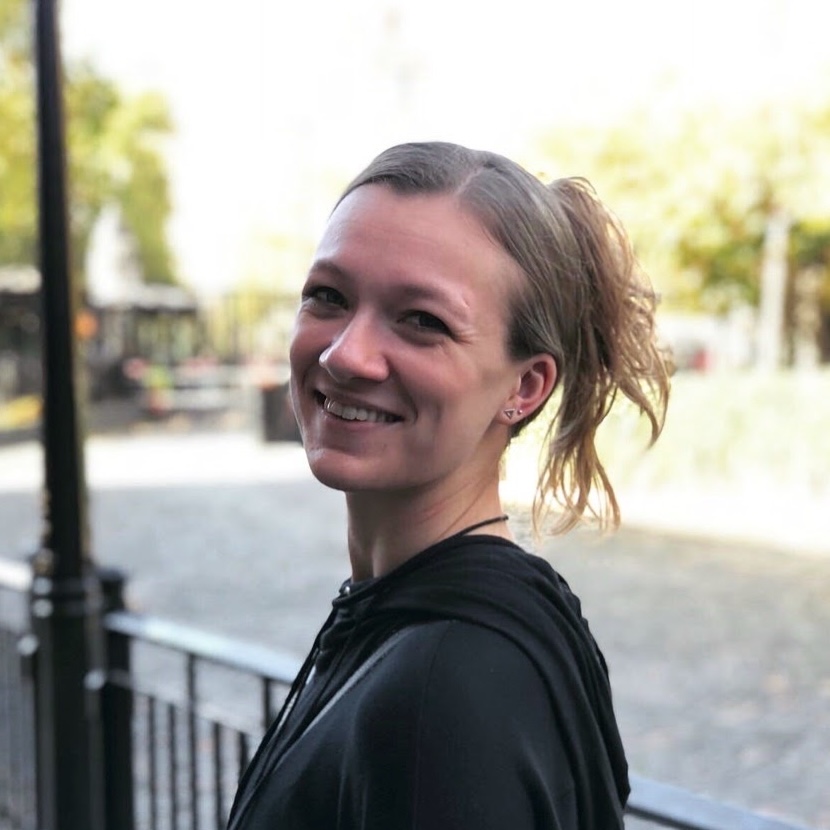 Dr. Clare Tonks is a Postdoctoral Associate at the Yale Center for British Art. She specializes in cultural history and the history of collections in nineteenth-century Britain with contributing interests in literary studies and the history of science. Her article “Displaying London’s Past to Contemporary Visitors” was published in the 50th Anniversary Special Issue of The London Journal and her forthcoming article “William Bullock: A Natural History Showman” will appear in History of Science. Clare has previously held positions at Cold Spring Harbor Laboratory Archives and HMS Unicorn in Dundee. She received her PhD in History from the University of Edinburgh, her MA in History and Literature from Columbia University, and her BA in English Literature and Psychology from the George Washington University during which time she was a Visiting Student in English Literature at St Anne’s College, Oxford.
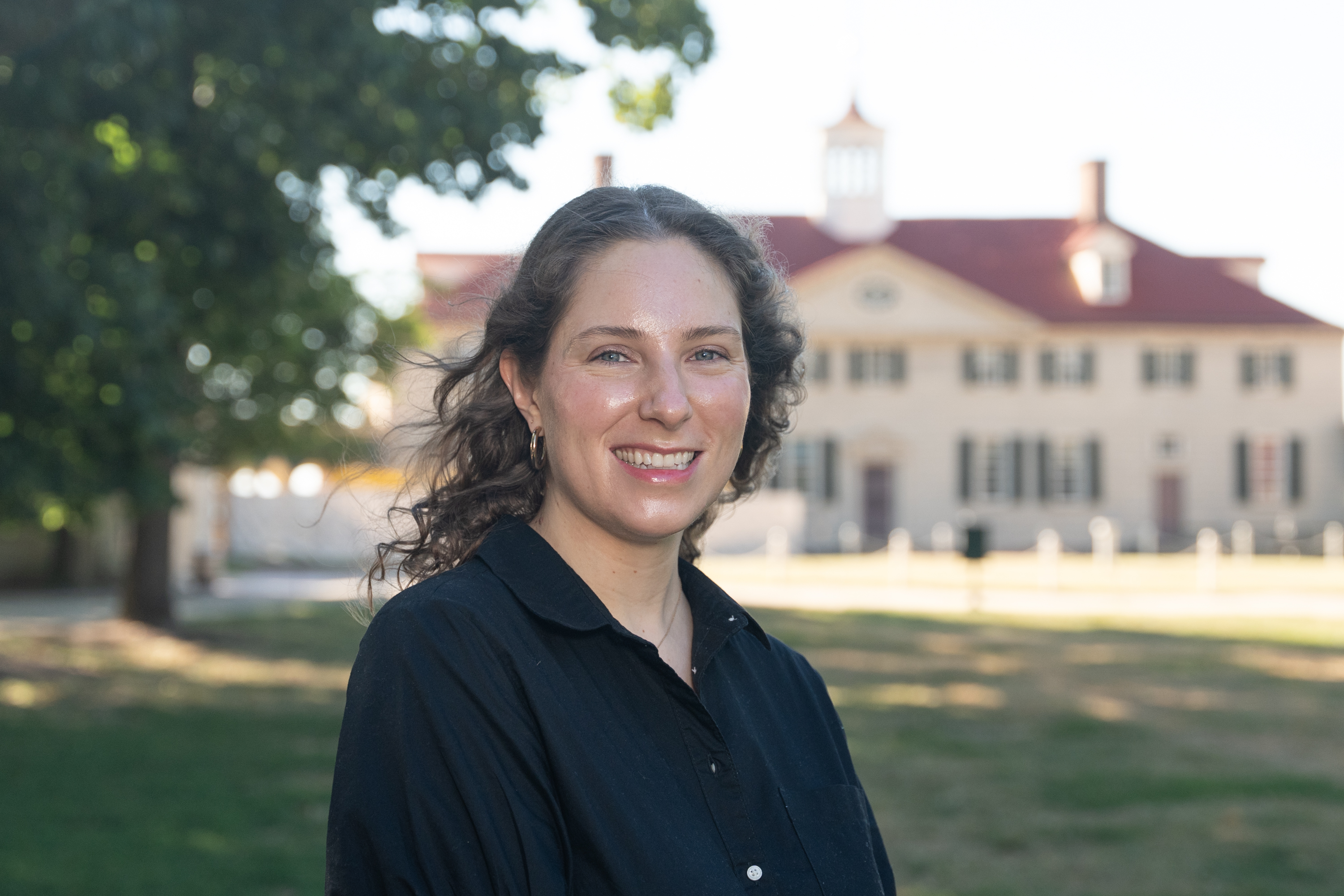 Holly Gruntner is a historian of nature, knowledge, and work in early America. She is currently the Landscape Historian at George Washington’s Mount Vernon, where her research supports the interpretation and restoration of Mount Vernon’s historic gardens and landscapes. She holds a PhD in History from William & Mary (2024), and is newly embarked on editing her dissertation for publication. That project is tentatively titled, “From the Ground Up: Kitchen Gardens and Horticultural Knowledge in Early America.”
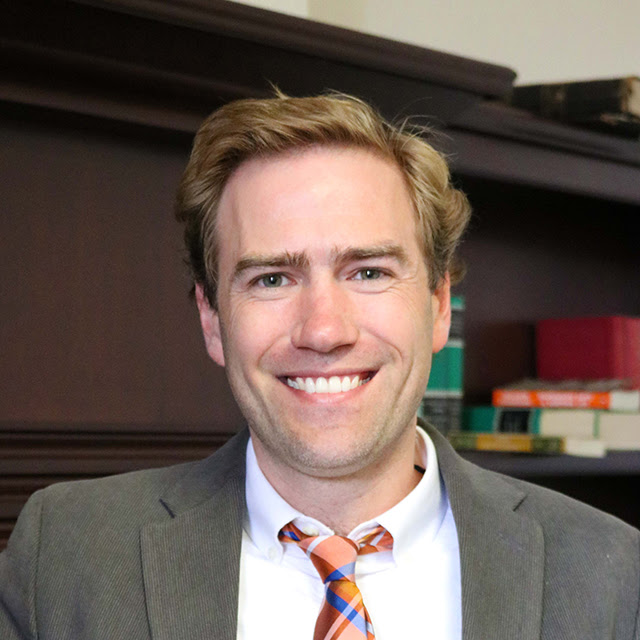 Cameron B. Strang is an early Americanist who focuses on the history of science, borderlands, Native America and the Atlantic world. His first book, Frontiers of Science: Imperialism and Natural Knowledge in the Gulf South Borderlands, 1500-1850 (winner of the Summerlee Book Prize and the Michael V.R. Thomason Book Award), was published in 2018. He has received support for his research from the Smithsonian Institution, the Library of Congress, the National Science Foundation, the McNeil Center for Early American Studies, Princeton's Institute for Advanced Study, and several other institutions. His articles include prize-winning pieces in The William and Mary Quarterly and The Journal of American History, and he is co-editor of a special edition of Early American Studies on the environment in early America. He also co-edited HOSLAC: The History of Science in Latin America and the Caribbean. He is currently working on a new history of American exploration.
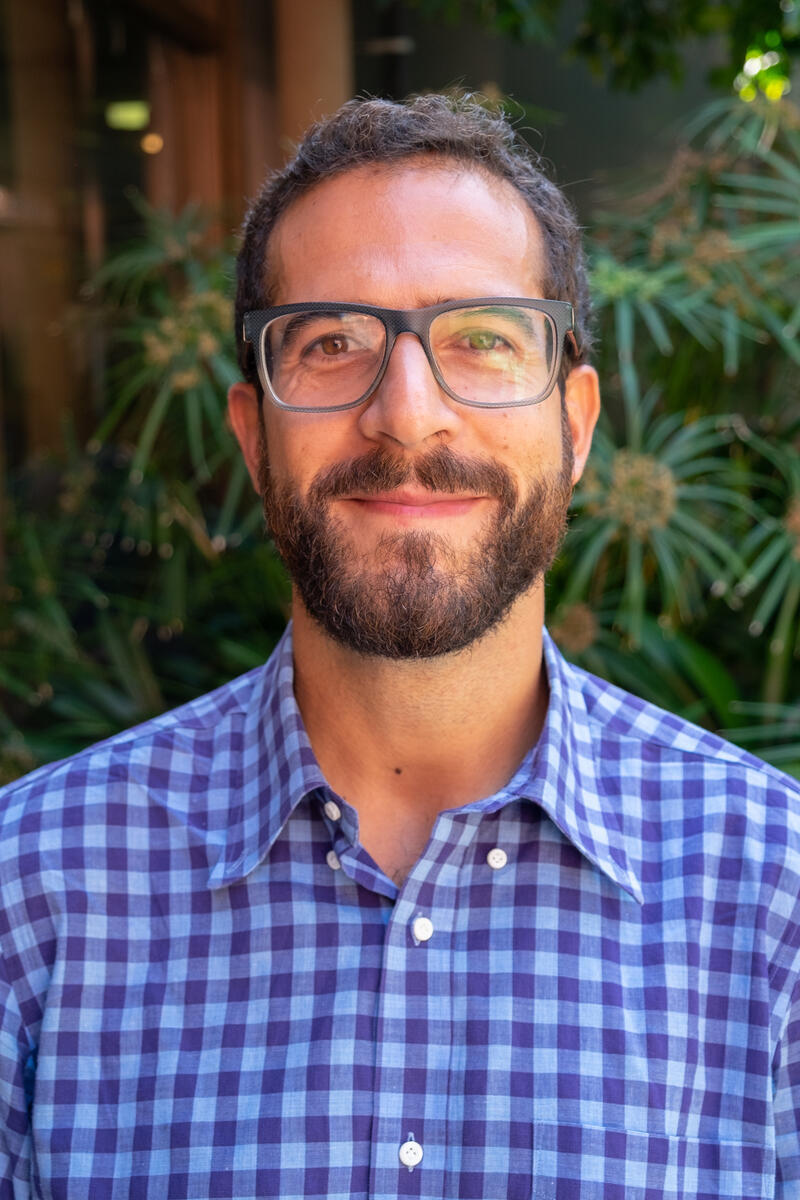 Diego Pirillo is Professor of Italian Studies at the University of California, Berkeley, where is also affiliated with the History Department. His work explores how mobility, displacement, and colonialism shaped the intellectual and cultural history of early modern Italy, Europe and the Atlantic world. Among his publications The Refugee-Diplomat: Venice, England and the Reformation (Ithaca, Cornell: University Press, 2018), awarded the 2019 MLA Aldo and Jeanne Scaglione Prize for Italian Studies, and more recently The Atlantic Republic of Letters. Knowledge and Colonialism in the Age of Franklin (Philadelphia: University of Pennsylvania Press, forthcoming 2026). Studying the transatlantic circulation of books and information in the long eighteenth-century, The Atlantic Republic of Letters examines how early American scholars envisioned and coordinated the colonial project. The book shows that various disciplines and intellectual practices, such as botany, lexicography, antiquarianism, and bibliography, served as the instruments of European order, facilitating the classification and subjugation of North America’s nature and peoples.
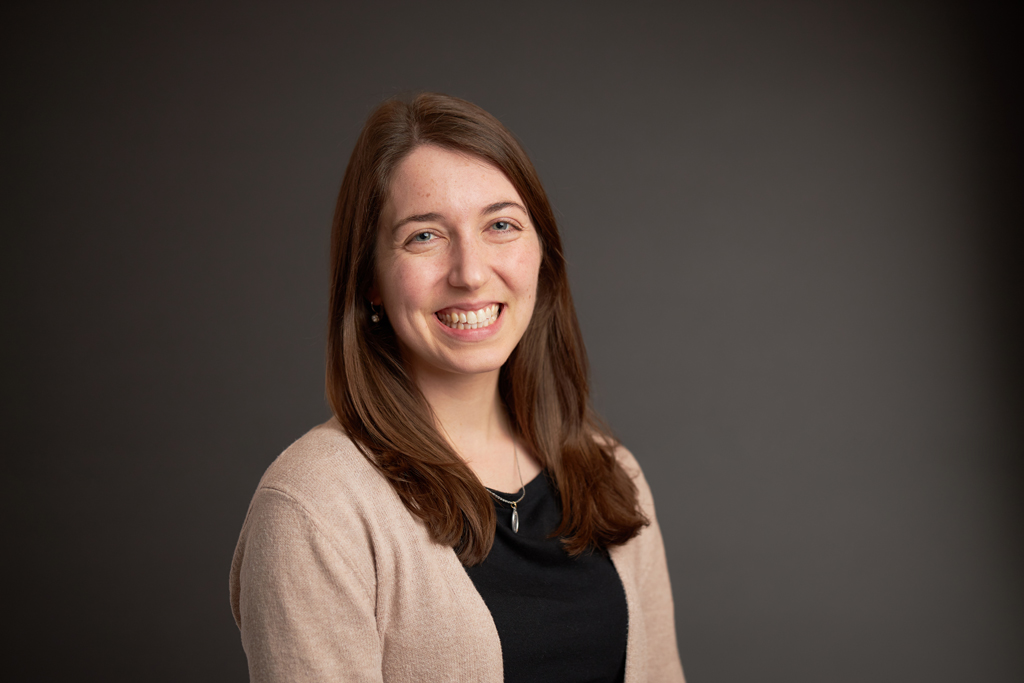 Laura Clerx is a PhD candidate at Boston College. She brings a background in research and post-grad work in biology to her doctoral studies in history; and she is currently completing a dissertation entitled "Nature's Properties: Science and Commerce in Early America, 1780-1850." She is grateful to have received support for this research from the American Philosophical Society, the Consortium for the History of Science, Technology, and Medicine, the Massachusetts Historical Society, and the Mount Vernon Ladies Association. Laura recently began serving as senior editorial assistant for the Journal of the Early Republic.
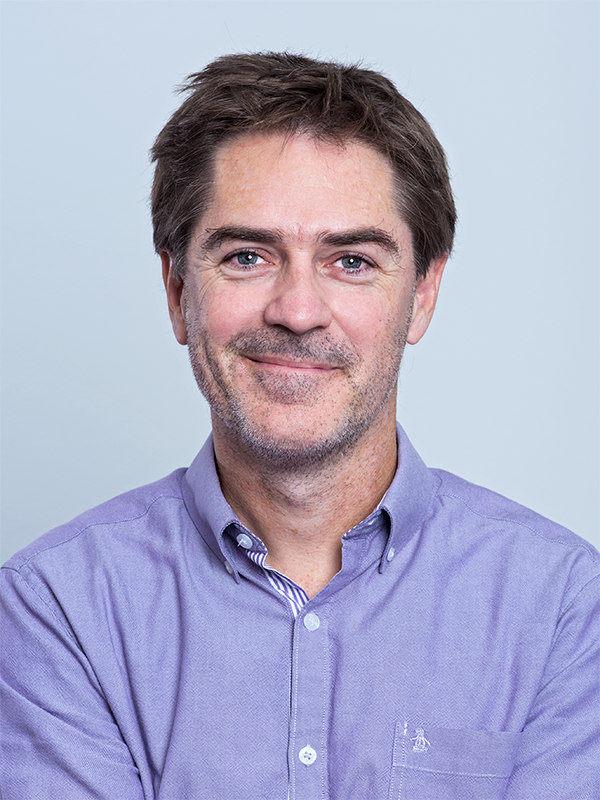 Sean Silver is associate professor of English at Rutgers University, and Director of the Scarlet Letterpress, a book-arts and book-history makerspace. Past work includes The Mind Is a Collection, an award-winning monograph and born-digital museum about eighteenth-century cognitive models. He is currently working on a project called The Motley Emblem, a multi-disciplinary effort faithfully to reconstruct the marbled page in Laurence Sterne's Tristram Shandy. Its goal is to align the emergence of the global systems of asymmetrical exchange we now call empire, the modernization of chemistry and other design arts, and what those of us in literature departments quaintly call the "rise of the novel."
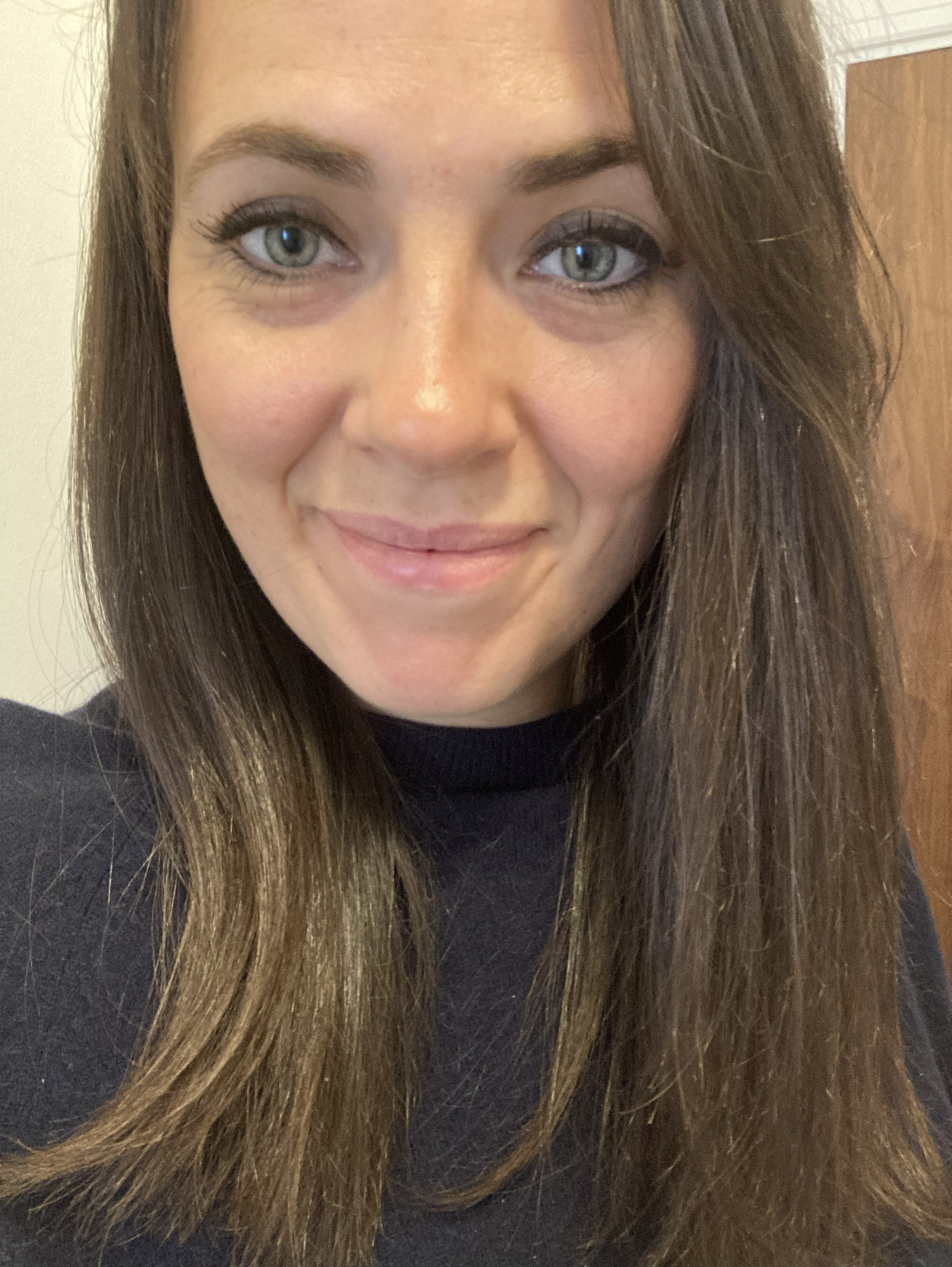 Caroline Douglas is an artist and historian of early photography. In 2024 she completed her PhD by practice at the Royal College of Art, London, where she researched the role of gender and class in early photography in Scotland, with the support of an AHRC-techne Scholarship. In her practice she moves across photography, writing and creative archival research. She is a currently a 2025 Visiting Research Fellow at the University of Glasgow. In 2026, she will continue her research in the United States as a 2025-26 Consortium Fellow with the Consortium for History of Science, Technology and Medicine. Caroline is Lecturer in Fine Art Photography at The Glasgow School of Art. She is currently working towards publishing her first monograph on women contributions to the field of photographic invention in Scotland.
 Al Coppola is an associate professor of English at John Jay College of the City University of New York. His first book, The Theater of Experiment: Staging Natural Philosophy in Eighteenth-Century Britain (Oxford 2016), is a critical study of science in—and as—performance. His current book project, Enlightenment Visibilities, studies the 18th century innovations that structure 21st century modernity by bringing previously unimaginable or imperceptible phenomena into the domain of sensation and knowledge.
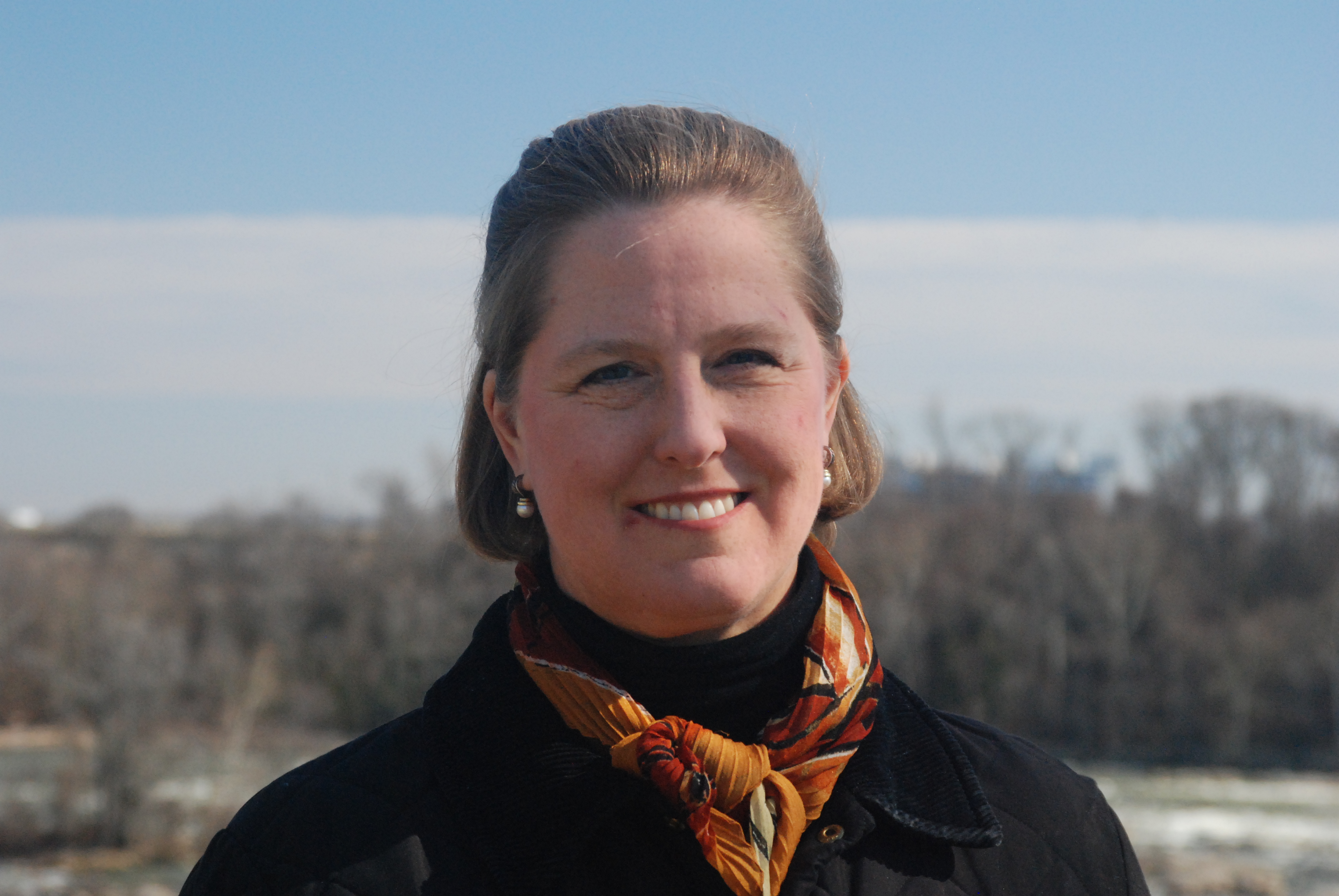 Mary Richie McGuire is a PhD candidate in the Science and Technology Studies Program at Virginia Polytechnic Institute and State University. She is a historian of science and the environment in the Atlantic world, 1600-1860. She received her BA in History from Sweet Briar College and her MA in History from Virginia Commonwealth University. Her research examines the connections between ecological, scientific, and political revolutions. Her dissertation, “B. Henry Latrobe, Engineer: On the Art and Science of Translating Natural Knowledge in an Age of Revolution, 1795-1820,” is a biography of Benjamin Henry Latrobe which examines how Latrobe’s practice of natural history influenced his architecture and engineering practice, as well as his politics. Research for the dissertation has been supported by a Virginia Tech Graduate Humanities Fellowship, and research fellowships at the American Philosophical Society, the Fred W. Smith National Library for the Study of George Washington, the J.D. Rockefeller Library, and the Maryland Historical Society.