

Episode 3: Warming the World: Benjamin Franklin, Climate Science, and an Unintended Revolution
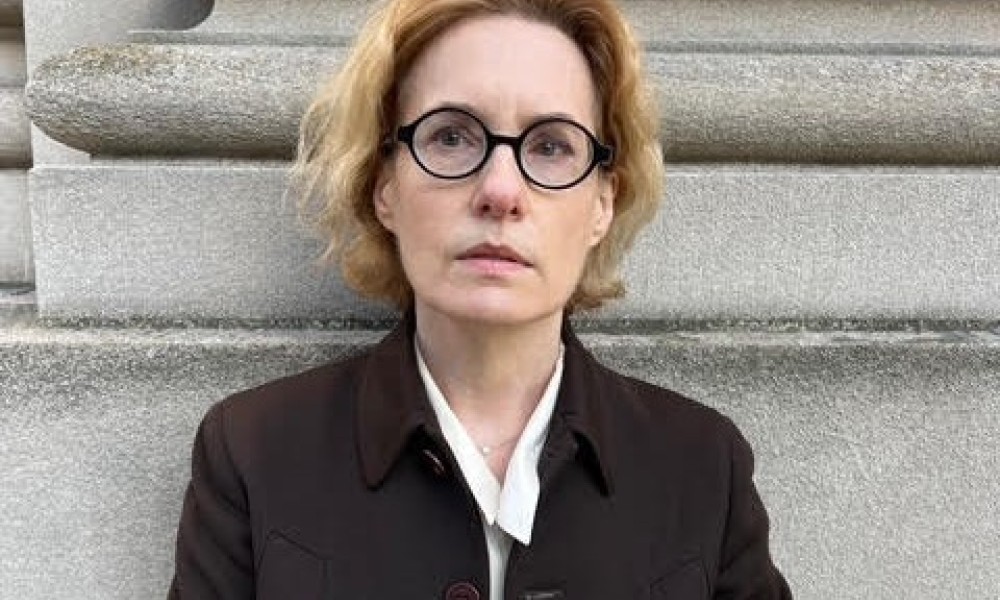
Historian and APS Member Joyce Chaplin (APS 2020) joins host Patrick Spero to speak about Benjamin Franklin and the global significance of the Franklin stove.
Chaplin explores how Franklin’s efforts to heat his Philadelphia home during the Little Ice Age led to new ways of thinking about fuel efficiency, indoor climate, and the atmosphere itself. The conversation moves from colonial Pennsylvania and environmental change to Franklin’s broader scientific insights, including his ideas about convection, storms, and conservation.
Tracing the stove’s surprising spread across Europe, Chaplin reframes Franklin not only as a founder of the American Revolution, but also as a key figure in the Industrial Revolution and an early critic of wasteful fuel use. The episode reveals how a practical invention meant to warm a room reshaped ideas about science, climate, and modern life.
Joyce E. Chaplin is the James Duncan Phillips Professor of Early American History in the Department of History at Harvard
University, where she teaches the histories of science, climate, colonialism, and environment. She serves on the Faculty Executive Board of the Harvard Museums of Science and Culture and is a Trustee of the Massachusetts Historical Society, the first historical society in the United States. An award-winning author, her most recent book is The Franklin Stove: An Unintended American Revolution (2025), for which
she received a 2018 Guggenheim Fellowship. Her work has been translated into French, Japanese, Korean, Portuguese, Estonian, and, forthcoming, into Chinese. Her reviews and essays have appeared in the Times Literary Supplement, the New York Times Book Review, the London Review of Books, the Wall Street Journal and Aeon.